
About me
I think like a journalist and design like a systems thinker.
I'm Angela. I ask, I listen, and I follow the detail that changes how you understand the whole story. That started in newsrooms. It still is how I work in product and with teams.

01
The newsroom never really left
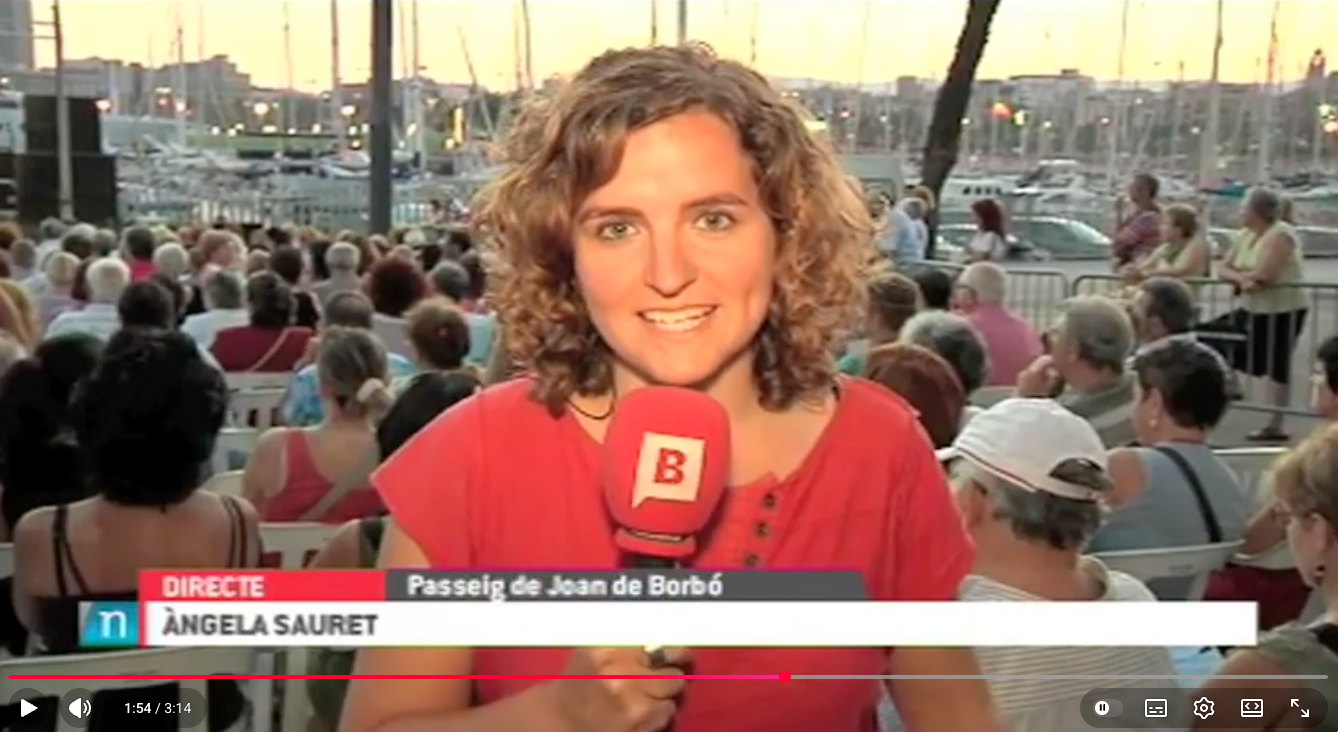
I didn't start in design. I started in newsrooms. That's not a backstory.
I worked as a journalist and camerawoman before moving into design. You learn to pay attention: to what someone says, to what the image tells you, to the thread that doesn't quite fit. Every story got the same five questions before I trusted it: who, what, when, where, why, and how. I still run a problem through them before I let myself propose a direction. Then you have to decide how to tell the story so someone else can understand it.
In 2014, I was working for TV3's Washington, DC bureau and thinking about what came next. A friend had just finished a UX bootcamp in New York. Something about that conversation clicked. I enrolled at General Assembly, kept working in TV during the day, studied in the evenings and did my first freelance design works. When I moved back to Barcelona in 2016, I made the switch.
I started in research: asking questions, listening, connecting scattered information into something people could act on. That felt familiar. From there I moved into product design, then into leadership.
02
Following the thread into product
My work has taken me through research at MotoGP, product design at Frog, and design leadership at ManoMano and TransPerfect. The scale and responsibilities have changed, but I've always stayed hands-on.
Today I lead a design team of 14 people at TransPerfect. I stay close to the products and the design system, and am involved in strategic conversations. With AI, it's an exciting moment to try new processes, prototyping,... and see how the user experience changes in AI products. Well, it's a great time to be an IC.
03
How I lead
I believe in human leadership. Growing someone is sometimes coaching, letting them find their own answer, and sometimes being direct, because a standard doesn't get to be optional just because enforcing it is uncomfortable. I know which decisions are mine to make as a lead and which ones the team should own, and I try not to blur that line. When something goes wrong, I start with why it happened, not who's at fault, and what changes so the result is better next time. Raise the standard that way, and the results follow, and that's the real case for design at the strategy table, not just at delivery.
I want design involved in deciding what to build. That takes research, business understanding, and conversations with product and engineering. Not after the direction is set. It's the work I keep coming back to, whichever company I'm in.
04
What I'm figuring out with AI
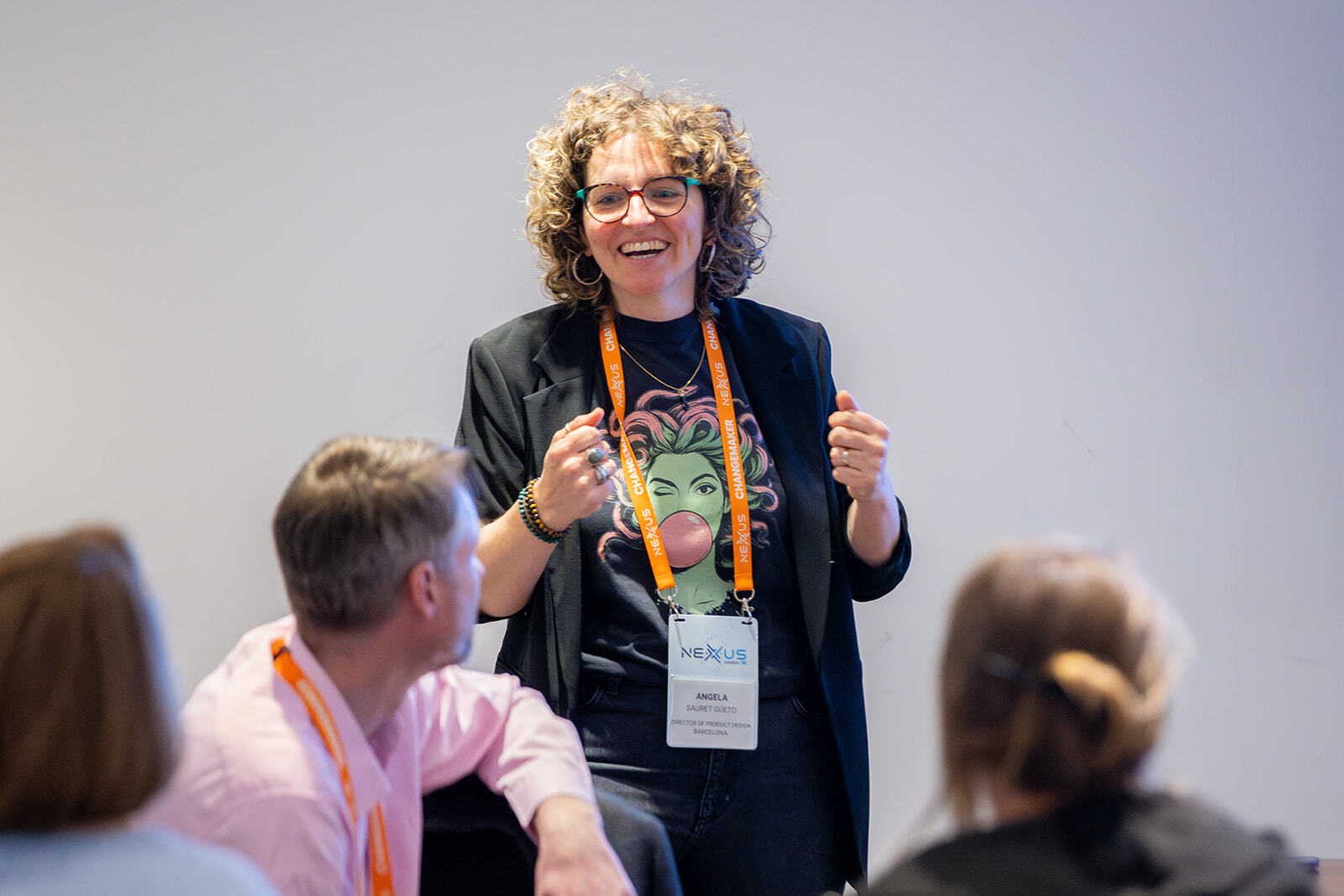
The conversation about AI in design is sometimes too focused on the tools. Which platform just launched, which new feature, which workflow just got faster. That's fine, but it's not where the interesting shift is happening.
What I keep coming back to is everything that happens before you open a tool. Understanding what you actually want to achieve. Thinking through what a prompt actually needs. Deciding what you want to communicate with an interface before a single pixel exists. That upstream thinking is what AI amplifies when you use it well. But is not only that, what happens when you are designing for an AI product? What are the new interactions? What we need to learn about new patterns, ways of working,...
I'm building an agentic team for my own work, learning about LLM evaluations and human-centred AI. It also means sharing what worked and what didn't while the capabilities keep changing.
AI lets us execute faster. That makes the decisions about what we build more important: which problem we're solving, what people need, and what the business should get from it. I care just as much about what makes it into the product. How it looks, how it works, and whether the details hold up beyond the prototype.
At TransPerfect, I'm also running sessions on how we're actually using AI for around 120 product people, 48 of them designers. We explore how to prototype without losing craft, how to push beyond the sameness AI output defaults to, and which decisions still need a human in the room. Teaching and learning at the same time. I don't think anyone has the right solution right now.
I find the uncertainty more motivating than scary. Most days.
What people say
She didn’t just manage, she empowered. She led with conviction while creating a space where I always felt safe to grow. Her determination to get things done, and to get them done right, is something that continues to inspire me.”
Design Lead at Wall Street English
Former direct report at TransPerfect
Angela is a firm believer in design influencing product strategy early on, not just at the end of the execution process. Creative yet methodical approach to difficult problems. Especially skilled at analyzing and articulating complex ideas.”
Product Manager
Worked with Angela at AXA Partners
You’ve done excellent work advocating for design and moving the team in a positive direction. The design system is making great progress. You brought on dedicated researchers. And I can see a real shift in how PMs plan and collaborate with design.”
Product Designer
Direct report at TransPerfect